

Introduction: Yahuwah’s יְהוָה Calendar and the Moedim
From the very beginning, Yahuwah יְהוָה established the sun, moon, and stars not merely as lights but as divine markers:
“And Elohim said, Let there be lights in the firmament of the heaven to divide the day from the night; and let them be for signs, and for seasons [moedim], and for days, and years” (Genesis 1:14).
The Hebrew word moedim (מוֹעֵדִים) means “appointed times” — sacred appointments when Yahuwah meets with His people. These are not merely ancient festivals; they are prophetic rehearsals of His plan of redemption, fulfilled in Yahshua יֵשׁוּעַ (Jesus) and pointing to future events yet to come.
Leviticus 23 outlines these moedim, beginning with the weekly Sabbath and followed by seven annual appointed times:
- Passover (Pesach)
- Unleavened Bread (Chag HaMatzot)
- First Fruits (Yom HaBikkurim)
- Pentecost / Feast of Weeks (Shavuot)
- Trumpets (Yom Teruah)
- Day of Atonement (Yom Kippur)
- Feast of Booths / Tabernacles (Sukkot)
Each moed is tied to the biblical calendar — beginning with the new moon and flowing with the rhythm of Yahuwah’s יְהוָה time. They are not scattered randomly across the year but follow a divine pattern that mirrors His plan from redemption to restoration.
Passover (Pesach) – Deliverance Through the Lamb
When: 14th day of the 1st biblical month
Scriptures: Exodus 12:1–14; Leviticus 23:5; Numbers 9:1–5; Deuteronomy 16:1–8; Matthew 26:17–29; John 1:29; 1 Corinthians 5:7
Passover is the foundational appointed time — the doorway through which redemption begins. Instituted in Egypt on the night YHWH struck down the firstborn of Egypt, it commemorates deliverance from bondage. The Israelites were instructed to sacrifice a lamb “without blemish” (Exodus 12:5), apply its blood to their doorposts, and remain within their homes as the destroyer passed over (Exodus 12:7–13).
This event not only marked the birth of the nation but foreshadowed the ultimate Lamb: “Behold, the Lamb of God, who takes away the sin of the world” (John 1:29). Yahshua יֵשׁוּעַ (Jesus) was crucified on the very day of Passover, fulfilling its prophetic shadow.Paul writes plainly:
“For even Messiah our Passover is sacrificed for us” (1 Corinthians 5:7).
The prophetic significance of Passover is both historical and ongoing: it marks the beginning of redemption, the first step in the journey from slavery to freedom.

Unleavened Bread (Chag HaMatzot) – The Removal of Sin
When: 15th–21st days of the 1st month
Scriptures: Exodus 12:15–20; Leviticus 23:6–8; Deuteronomy 16:3; 1 Corinthians 5:6–8
Immediately following Passover is the seven-day Feast of Unleavened Bread. During this time, Israel was commanded to remove all leaven (chametz) from their homes — a powerful symbol of purging sin and corruption:
“Seven days shall ye eat unleavened bread… there shall no leavened bread be seen with thee” (Deuteronomy 16:3–4).
This moed finds fulfillment in Yahshua’s יֵשׁוּעַ sinless body being laid in the tomb during this feast. As leaven represents sin (1 Corinthians 5:6–7), Yahshua יֵשׁוּעַ — who “knew no sin” (2 Corinthians 5:21) — was the pure offering that purged the sin of His people.
Paul connects this moed directly to the believer’s calling:
“Therefore let us keep the feast, not with old leaven… but with the unleavened bread of sincerity and truth” (1 Corinthians 5:8).
Unleavened Bread teaches us not only about Yahshua’s יֵשׁוּעַ burial but also about sanctification — the removal of sin from our lives as we walk in newness. We remove the old to bring in the new.

First Fruits (Yom HaBikkurim) – Resurrection and New Life
When: The day after the Sabbath during Unleavened Bread (~16th day of the 1st month)
Scriptures: Leviticus 23:9–14; Exodus 23:19; 1 Corinthians 15:20–23; Matthew 28:1–6; John 20:1–18
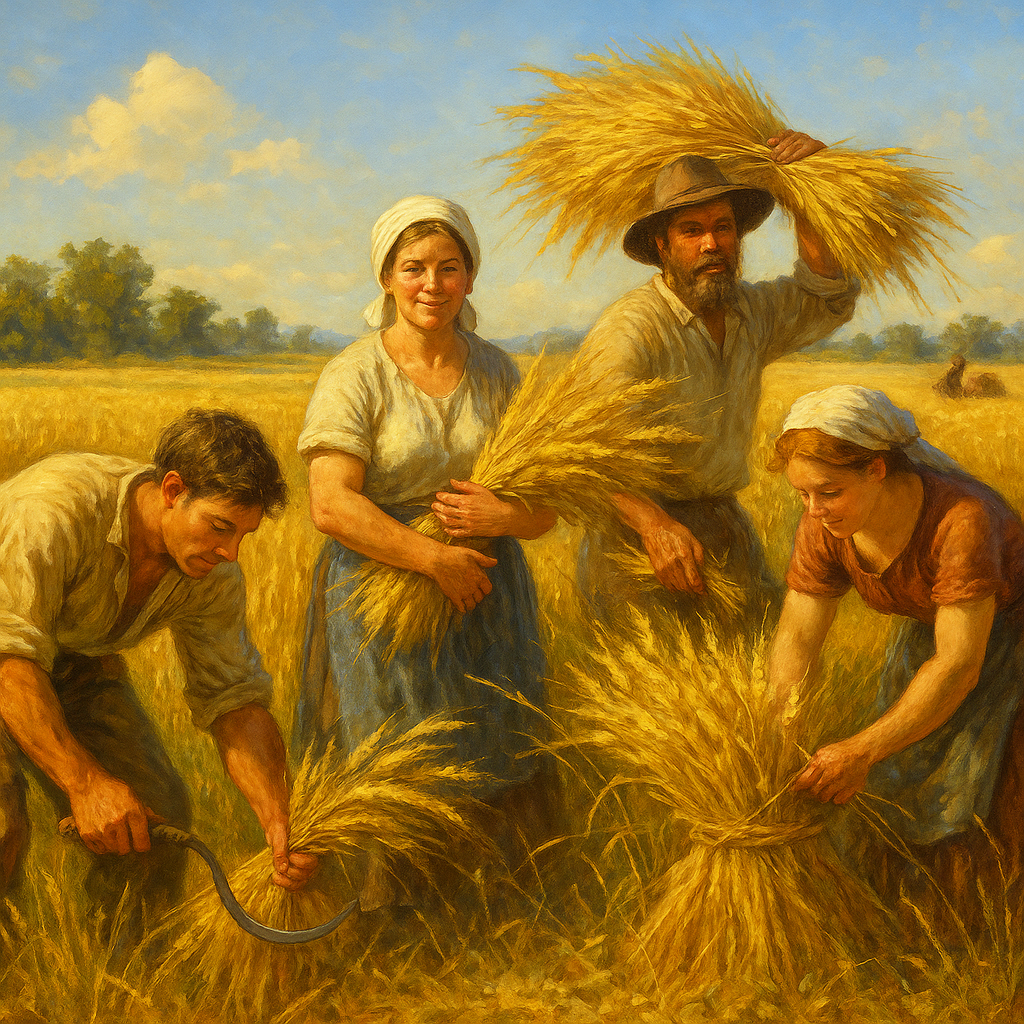
The Feast of First Fruits marks the beginning of the barley harvest, the earliest crop to ripen in the spring. Barley is a hardy, humble grain that matures quickly and grows even in difficult conditions — and it was always the first grain offered to Yahuwah יְהוָה as a sign of thanksgiving and trust in the greater harvest yet to come:
“When ye be come into the land… then ye shall bring a sheaf of the firstfruits of your harvest unto the priest” (Leviticus 23:10).
The priest would take this sheaf of barley and wave it before Yahuwah יְהוָה “on the morrow after the Sabbath” (v.11). This public presentation was more than an agricultural ritual — it was a prophetic act, a pledge that the rest of the harvest would follow.
Barley’s role is significant. It ripens before wheat and symbolizes those who respond quickly and faithfully to Yahuwah’s יְהוָה call — the “first” among His people. This is why First Fruits prophetically points directly to Yahshua’s יֵשׁוּעַ resurrection. He rose from the dead on the very day of First Fruits, fulfilling its meaning perfectly:
“But now is Messiah risen from the dead, and become the firstfruits of them that slept” (1 Corinthians 15:20).
Just as the first barley sheaf guaranteed the coming harvest, Yahshua’s יֵשׁוּעַ resurrection guarantees that those who belong to Him will also rise:
“But every man in his own order: Messiah the firstfruits; afterward they that are Messiah’s at His coming” (1 Corinthians 15:23).
This moed declares victory over death and the promise of new life. The barley harvest is a living picture of this truth: the first sheaf lifted up to Yahuwah יְהוָה represents Messiah Himself, and the harvest that follows represents those who will be raised because of His triumph. It is the beginning of redemption’s harvest — and the assurance that a far greater ingathering is yet to come.

Pentecost (Shavuot) – The Appointed Time of the Wheat Harvest
When: Counted from the day after the Sabbath following Unleavened Bread (~16th day of the 3rd month).
Scriptures: Leviticus 23:15–22; Deuteronomy 16:9–12; Exodus 19:1–8; Acts 2:1–4; Daniel 12:11–13; Jubilees 1:1; Jubilees 15:1; Jubilees 16:13
Shavuot — also called Pentecost, the Feast of Weeks, or the Appointed Time of Harvest — is one of the most deeply prophetic moedim in all of Scripture. Unlike the fixed dates of Passover or Unleavened Bread, its timing is determined by a divine count: seven Sabbaths from the day after the Sabbath following the Feast of Unleavened Bread.
Leviticus 23:15–16
“Count, so it happens, from the day after the Sabbaths of the wave sheaf (unleavened bread), seven Sabbaths complete. Count fifty days, to the day which is after the seventh Sabbath. Then you shall offer a new grain offering to Yahuwah יְהוָה.”

Deuteronomy also confirms this count:
Deuteronomy 16:9–10
“You shall count seven weeks for yourself; begin to count the seven weeks from the time you begin to put the sickle to the grain. Then you shall keep the Feast of Weeks to Yahuwah יְהוָה your Elohim.”
This moed marks the transition from the barley harvest to the wheat harvest, symbolizing two stages of Yahuwah’s יְהוָה redemptive plan. The barley harvest, fulfilled in Yahshua’s יֵשׁוּעַ resurrection and those who rose with Him (Matthew 27:52–53), represents the firstfruits — Messiah Himself and those who were His before His death. The wheat harvest represents the great ingathering of souls who have died in Messiah since His resurrection, to be gathered into His Kingdom at the end of the age.
It is no coincidence that at Mount Sinai, Yahuwah יְהוָה descended in fire and gave the Torah (Exodus 19:1–8), and that in Acts 2, the Spirit descended in tongues of fire, writing Yahuwah’s יְהוָה law upon the hearts of believers (Acts 2:1–4). These events mirror one another — instruction and Spirit, law and empowerment — both occurring on Shavuot.
The Count to establish the Harvest and the Witnesses
The traditional method of counting from the 16th day of the first month often leads to dates that do not align with other scriptural witnesses. However, Scripture tells us that “every matter must be established by the testimony of two or three witnesses” (Deuteronomy 19:15; 2 Corinthians 13:1; John 8:17). When we examine multiple witnesses in Scripture and ancient texts, a more complete picture emerges.
- Daniel 12:11–13 speaks of a 1,335-day count leading to the end — a count when started at the time of trumpets, aligns with the 15th day of the third month (a Sabbath) and the 16th day (the day after, the appointed time of harvest).
- Jubilees 1:1 shows that Yahuwah יְהוָה gave the commandments to Moses on the 16th day of the third month, symbolizing the covenant written on hearts after the harvest.
- Jubilees 15:1 records Abram celebrating “the appointed time of the firstfruits of the wheat harvest” in the middle of the third month.
- Jubilees 16:13 says Isaac was born “in the third month, in the middle of the month” — again connecting the harvest to covenant and promise.
These witnesses converge on the same truth: the appointed time of harvest occurs the day after the Sabbath on the 15th of the third month — the 16th day.

Click here to view the image above in full size
The Final Harvest and the End of the Age
Pentecost is not merely a commemoration of past events — it is a prophetic signpost pointing to the future. Yahshua יֵשׁוּעַ Himself declared:
Matthew 13:39
“The harvest is the end of the age, and the reapers are the angels.”
This harvest imagery echoes throughout Scripture:
Joel 3:13
“Put ye in the sickle, for the harvest is ripe: come, get you down; for the press is full, the vats overflow; for their wickedness is great.”
Revelation 14:15–16
“Thrust in thy sickle, and reap: for the time is come for thee to reap; for the harvest of the earth is ripe. And he that sat on the cloud thrust in his sickle on the earth; and the earth was reaped.”
This appointed time foreshadows the final separation of wheat and tares (Matthew 13:30), the great ingathering of the righteous into the Kingdom, and the judgment of the wicked. It is the time when Yahuwah’s יְהוָה people — those who “keep the commandments of Elohim and have the faith of Yahshua” יֵשׁוּעַ (Revelation 14:12) — will be gathered, and the final harvest of souls will take place.
Shavuot and the Second Coming
The Spirit poured out in Acts 2 was the first fruits of what is yet to come. The ultimate fulfillment of Pentecost will occur at the return of Yahshua,יֵשׁוּעַ when the great harvest of the earth takes place and the righteous are gathered into His Kingdom. Just as the Torah was given on this day and the Spirit was poured out on this day, so too the Kingdom will be fully established in its appointed time — at the culmination of Yahuwah’s יְהוָה harvest.
The Feast of Trumpets (Yom Teruah) – The Awakening Blast
When: 1st day of the 7th month
Scriptures: Leviticus 23:23–25; Numbers 29:1–6; Psalm 81:3; Amos 3:6; Joel 2:1
The Feast of Trumpets — Yom Teruah — is the only appointed time that falls on a new moon day, the first day of the seventh month. Scripture commands:
Leviticus 23:24–25
“Speak unto the children of Israel, saying, In the seventh month, in the first day of the month, shall ye have a sabbath, a memorial of blowing of trumpets, an holy convocation. Ye shall do no servile work therein: but ye shall offer an offering made by fire unto Yahuwah יְהוָה .”
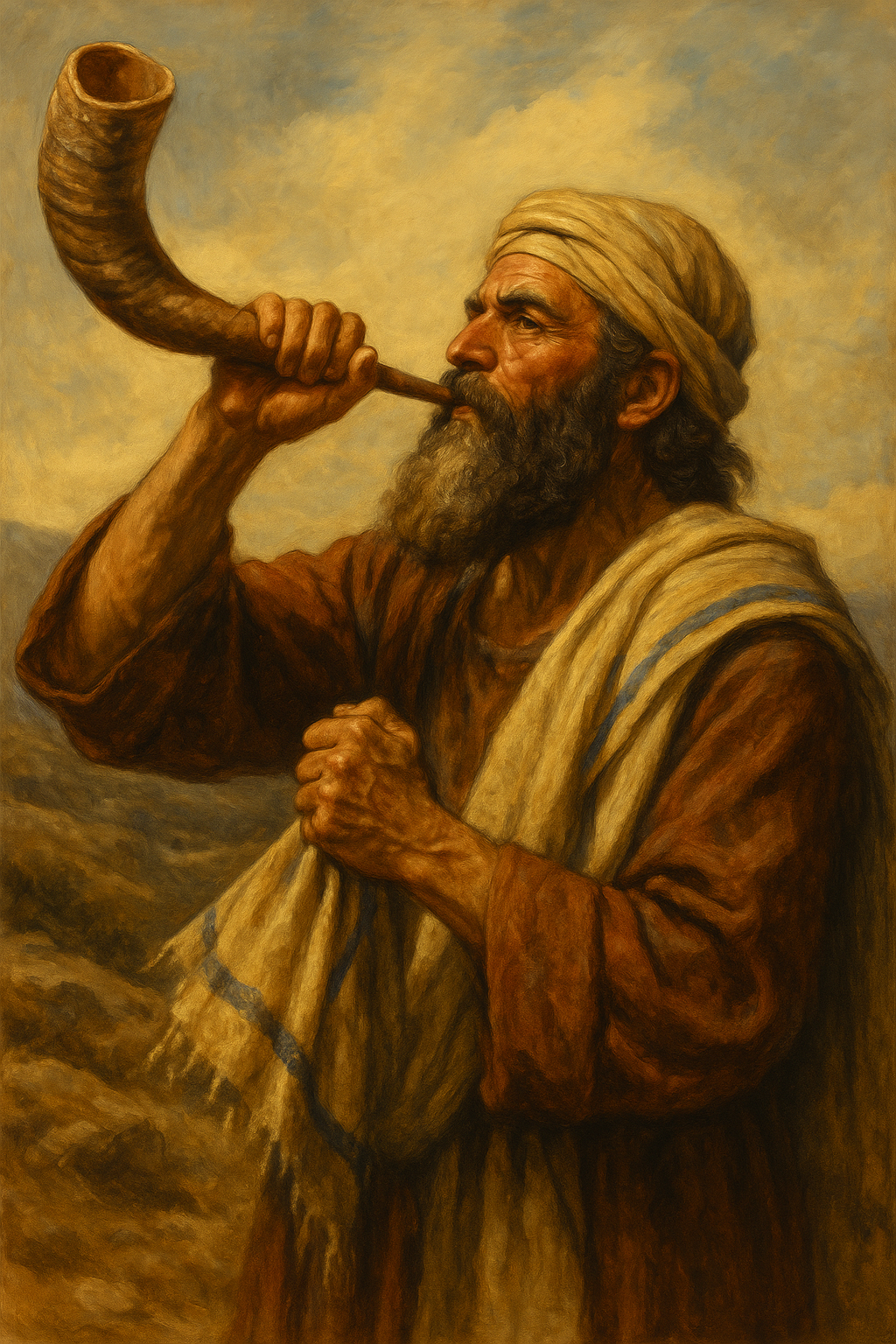
This day is marked by the teruah — a loud, awakening blast of the shofar — calling the people to awaken, to repent, and to prepare. It signals that a new prophetic season has begun and that Yahuwah’s יְהוָה appointed times are entering their climactic phase.
Psalm 81:3
“Blow up the trumpet in the new moon, in the time appointed, on our solemn feast day.”
Amos 3:6
“Shall a trumpet be blown in the city, and the people not be afraid? shall there be evil in a city, and Yahuwah יְהוָה hath not done it?”
More than any other moed, Yom Teruah is about sounding the alarm — announcing that Yahuwah’s יְהוָה prophetic clock has begun its final countdown. It is not merely a commemoration but a warning that the appointed times of judgment are approaching. Just as a trumpet was sounded to gather Israel or to prepare for battle, this moed calls the faithful to prepare spiritually for what is to come.
Joel 2:1
“Blow ye the trumpet in Zion, and sound an alarm in my holy mountain: let all the inhabitants of the land tremble: for the day of Yahuwah יְהוָה cometh, for it is nigh at hand.”
The Feast of Trumpets is therefore the threshold of the end-time events. It marks the moment when Yahuwah’s יְהוָה prophetic calendar begins counting down toward the Day of Atonement and the final judgment. As the first moed of the seventh month, it reminds us that the Creator’s timeline is not set by human calendars or political boundaries, but by the rhythm of His own appointed times.
Day of Atonement (Yom Kippur) – Judgment, Mercy, and the Final Separation
When: 10th day of the 7th month
Scriptures: Leviticus 16; Leviticus 23:26–32; Numbers 29:7–11; Hebrews 9:11–28; Revelation 20:11–15
The Day of Atonement, known as Yom Kippur, is the most solemn moed (appointed time) in Yahuwah’s יְהוָה calendar. It was the one day of the year when the high priest entered the Most Set-Apart Place to make atonement for himself, for the people, and for the sanctuary (Leviticus 16:29–34). This day symbolized purification, repentance, and the final removal of sin from among Yahuwah’s יְהוָה people.
Leviticus 23:27–28
“Also on the tenth day of this seventh month there shall be a Day of Atonement. It shall be a holy convocation for you; you shall afflict your souls, and offer an offering made by fire to Yahuwah.יְהוָה And you shall do no work on that same day, for it is the Day of Atonement, to make atonement for you before Yahuwah יְהוָה your Elohim.”
The Two Goats – A Picture of Final Judgment
The heart of this appointed time is found in Leviticus 16, where two goats are chosen by lot — one for Yahuwah יְהוָה and one as the scapegoat (Azazel). The first goat is sacrificed, its blood taken beyond the veil to make atonement for the people’s sins (Leviticus 16:15–16). The second goat is not killed but is presented alive before Yahuwah יְהוָה, and the high priest lays his hands upon it, confessing all the iniquities of Israel over its head. This goat is then sent into the wilderness, bearing the sins of the people away (Leviticus 16:20–22).
This vivid ritual reveals two aspects of Yahuwah’s יְהוָה redemptive plan:
- Atonement through sacrifice: The slain goat points to Yahshua יֵשׁוּעַ the Messiah, who “entered once for all into the holy places… by means of His own blood, thus securing an eternal redemption” (Hebrews 9:12).
- Removal and separation of sin: The live goat sent into the wilderness represents the final separation — the casting away of sin and those who refuse repentance. Just as this goat carried the sins far from the camp, so will Yahuwah יְהוָה remove sin and sinners from His kingdom.
A Shadow of the Final Judgment
Yom Kippur not only addressed the sins of ancient Israel — it prophetically points to the great judgment still to come. The Scriptures speak repeatedly of a final day when all humanity will stand before the throne of Yahuwah יְהוָה.
Revelation 20:11–12
“Then I saw a great white throne and Him who sat on it… And I saw the dead, small and great, standing before Elohim, and books were opened. And another book was opened, which is the Book of Life. And the dead were judged according to their works, by the things which were written in the books.”
This is the ultimate fulfillment of Yom Kippur — when judgment will fall, sin will be blotted out, and a final separation will occur between the righteous and the wicked. Just as one goat was slain and the other sent away, so too will there be two outcomes at the end: many will perish in their sins, while a faithful remnant — described as the 144,000 — will be preserved and brought through the wilderness of tribulation (Revelation 7:3–4, 14:12).
These are “they that keep the commandments of Elohim and the faith of Yahshua יֵשׁוּעַ” (Revelation 14:12). They are the ones who, having been refined and purified, will stand blameless before the throne.

A Call to Humility and Repentance
Because Yom Kippur represents the great day of judgment, it is marked by afflicting the soul — a call to humility, repentance, and self-examination. Israel was commanded to cease from work and seek Yahuwah’s יְהוָה mercy on this day (Leviticus 23:27–32). This affliction is not mere sorrow, but a deep turning of the heart, aligning oneself with Yahuwah’s יְהוָה will before the books are opened and judgment begins.
The Final Fulfillment Still to Come
While Yahshua יֵשׁוּעַ fulfilled the sacrifice aspect of atonement at His first coming, the full reality of Yom Kippur awaits its final fulfillment. The coming judgment, the separation of righteous and wicked, and the complete removal of sin from creation all lie ahead. It is then that the prayer of Psalm 51:10 — “Create in me a clean heart, O Elohim” — will find its ultimate answer as Yahuwah’s יְהוָה people stand cleansed and restored in His presence.
Feast of Booths (Sukkot) – Yahuwah יְהוָה Dwells with His People
When: 15th–21st day of the 7th month
Scripture: Leviticus 23:33–43; Deuteronomy 16:13–17; Nehemiah 8:14–18; Zechariah 14:16–19; John 7; Revelation 21:3–4
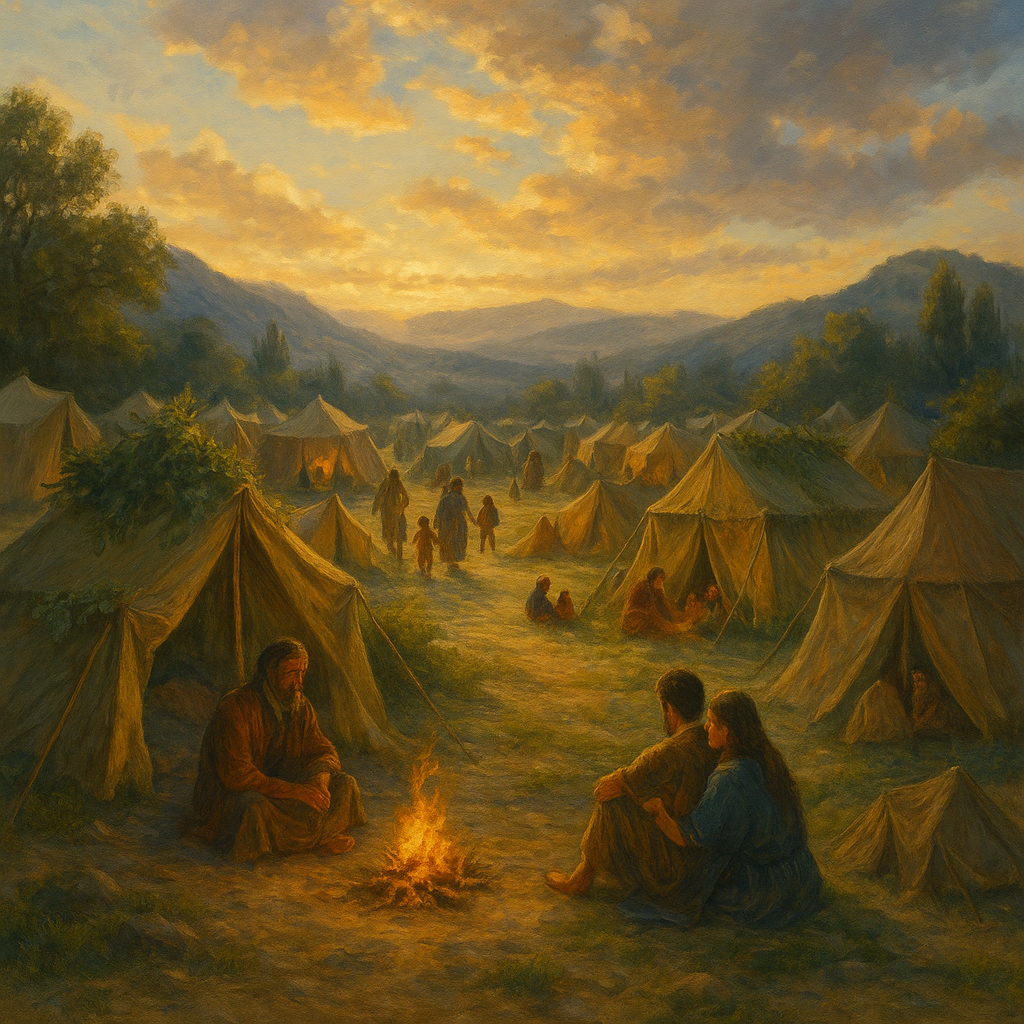
Sukkot — also known as the Feast of Booths or Feast of Tabernacles — is the final appointed time of Yahuwah’s יְהוָה calendar year and one of the most joyful. It commemorates the time when Israel dwelt in temporary shelters (sukkot) during their wilderness journey after leaving Egypt. Yahuwah יְהוָה commanded His people to live in booths for seven days as a living memorial of His provision, presence, and protection:
“You shall dwell in booths seven days… that your generations may know that I made the children of Israel dwell in booths, when I brought them out of the land of Egypt.”
— Leviticus 23:42–43
This feast is a time of great rejoicing — a harvest festival celebrating the ingathering of all produce from the land (Deuteronomy 16:13–15). It was marked by rejoicing before Yahuwah יְהוָה.
But Sukkot is more than a memorial of the past — it points prophetically to the future. Just as Yahuwah יְהוָה dwelt among His people in the wilderness, He will once again dwell among humanity in the age to come. The Hebrew name Sukkot literally means “booths” or “dwellings,” foreshadowing the day when “the tabernacle of Elohim is with men.”
“And I heard a loud voice from heaven saying, ‘Behold, the tabernacle of Elohim is with men, and He will dwell with them, and they shall be His people. Elohim Himself will be with them and be their Elohim. And Elohim will wipe away every tear from their eyes; there shall be no more death, nor sorrow, nor crying.’”
— Revelation 21:3–4
Yahshua יֵשׁוּעַ Himself attended this feast (John 7:2, 14, 37) and used it to reveal profound truths about the Spirit and living water — elements tied to the restoration of all things.
The prophets also foretell that Sukkot will be celebrated in the Messianic Kingdom. Zechariah records that all nations will be required to come up to Jerusalem each year to worship the King and keep the Feast of Booths:
“And it shall come to pass that everyone who is left of all the nations which came against Jerusalem shall go up from year to year to worship the King, Yahuwah יְהוָה of hosts, and to keep the Feast of Tabernacles.”
— Zechariah 14:16
Those who refuse will face drought — showing that even in the age to come, Yahuwah’s יְהוָה moedim remain central to His order and His relationship with humanity.
Sukkot also foreshadows the final ingathering — the great harvest of souls into Yahuwah’s יְהוָה kingdom. It pictures the time when His people will dwell securely under His presence, and all creation will be renewed.
From beginning to end, the moedim form a prophetic timeline:
- Passover – Deliverance through the Lamb
- Unleavened Bread – The removal of sin
- First Fruits – Resurrection and new life
- Shavuot (Pentecost) – Empowerment and the harvest
- Trumpets – The announcement and awakening
- Day of Atonement – Judgment and cleansing
- Sukkot – Yahuwah יְהוָה dwelling with His people
Sukkot is the culmination of the redemptive plan — the moment when separation ends, when heaven and earth meet, and when the Creator dwells with His creation forever.
Conclusion: The Moedim – Yahuwah’s יְהוָה Prophetic Clock Revealed
From the blood-stained doorposts of Passover to the joyful tents of Tabernacles, Yahuwah’s יְהוָה moedim are not relics of an ancient religion — they are the living blueprint of His plan for creation. Each appointed time is a chapter in the divine story of redemption, judgment, and restoration. Together, they form the calendar of salvation, written not by popes or emperors, but etched into the very fabric of time by the Creator Himself.
The moedim are not merely “Jewish feasts.” They are Yahuwah’s יְהוָה appointed times (Leviticus 23:2), established “from the beginning” (Genesis 1:14) and fulfilled in Yahshua’s יֵשׁוּעַ work. Passover, Unleavened Bread, and First Fruits were fulfilled in His death, burial, and resurrection. Pentecost began its fulfillment with the giving of the Spirit, yet points forward to the final wheat harvest — the great ingathering of souls and the separation of righteous and wicked (Matthew 13:39; Joel 3:13; Revelation 14:15–16). Trumpets heralds the coming King. Atonement foreshadows judgment and the cleansing of creation. Tabernacles reveals the final dwelling of Yahuwah יְהוָה with His people (Revelation 21:3).
This is the prophetic clock. But the world runs on a different timepiece.
Through the rise of empires, the decrees of popes, and the dictates of kings, the calendar of Scripture was buried beneath layers of tradition and convenience. A man-made calendar replaced the rhythm of the heavens. Midnight replaced sunset. Arbitrary months replaced the new moon. Political lines replaced the shifting line of first sight. The world traded Yahuwah’s יְהוָה time for a counterfeit — and in doing so, lost sight of His appointments.
Yet Scripture warned this would happen. Daniel foresaw a power that would “think to change times and laws” (Daniel 7:25). John saw that “all the world wondered after the beast” (Revelation 13:3). And yet, in the same vision, he saw a people who would not bow — a remnant who “keep the commandments of Elohim, and the faith of Yahshua יֵשׁוּעַ” (Revelation 14:12).
The moedim call us to be that remnant. They summon us out of Babylon’s calendar and back into Yahuwah’s יְהוָה rhythm. They prepare us for what is coming — not just for remembrance of what was, but rehearsal for what will be. The harvest is nearing. The trumpet will sound. Judgment will fall. And Yahuwah יְהוָה will dwell with His people once more.
The question is not whether these appointed times will come — they surely will. The question is: Will we be watching His clock or the world’s when they do?
Key Scriptural References
- Creation & Time: Genesis 1:14, Psalm 104:19
- Passover & Unleavened Bread: Exodus 12:1–14; Leviticus 23:4–8; Matthew 26:2
- First Fruits: Leviticus 23:9–14; 1 Corinthians 15:20–23
- Pentecost (Harvest): Leviticus 23:15–22; Deuteronomy 16:9–12; Acts 2:1–4; Daniel 12:11–13; Joel 3:13; Revelation 14:15–16
- Trumpets: Leviticus 23:23–25; 1 Thessalonians 4:16; Revelation 11:15
- Day of Atonement: Leviticus 16; Leviticus 23:26–32; Revelation 20:11–15
- Feast of Booths: Leviticus 23:33–43; Zechariah 14:16–19; Revelation 21:3
- Warning Against Changing Times: Daniel 7:25; Revelation 13:3
- The Remnant: Revelation 14:12
Historical References
- Pope Gregory XIII, Papal Bull Inter gravissimas (1582): Instituted the Gregorian calendar, replacing the Julian calendar.
- Council of Nicaea (AD 325): Shifted the calculation of Passover/Easter, severing it from the biblical calendar.
- Encyclopaedia Judaica – “Calendar”: Notes the shift from lunar-solar biblical reckoning to fixed solar systems.
- The Jewish Encyclopedia (1906) – “Calendar, History of”: Documents Rome’s imposition of its calendar on conquered peoples.
 The Calendar of Scripture
I have been where you are, however there were passages of information that conflicted with that calendar, so I began to search for an answer and the light came on when reading Genesis chapter one; the calendar of Scripture became so very clear. After I was seeing the real calendar clearly the conflicting passage came to square with them. Now there are other passages that conflict but those passages do not square with other passages of Scripture and it doesn’t take much studying to find out that those passages were added by scribes or confused by translators.
Since it is obvious you do not read or look up the references I suggest, I will not take any more of your time.
Donald
LikeLike
Hi Donald,
I do read what you provide, however I have had a number of messages that have come from you that start talking and then have nothing after them. Perhaps you may like to copy the text instead and paste it here.
Yahuwah Bless.
LikeLike
Thank you
Being you have never replied acknowledging my post, I assumed you were not reading my post, by the way that is the way most believers seem to treat post that they do not and do not care to find the truthfulness of. So, do you see which season was the first season in Gen. chap. one? Besides what is actually written, it would have been needed to feed Adam and the animals that week and beyond, right? If you see that, would you be interested in taking a look at passages in Genesis and exodus that follow the same calendar?
Donald
LikeLike
Hi Donald,
One thing that I have learnt in my time here, is that I should not just reject a message based upon my present understanding, but consider. That does not mean that a message will be correct as it needs to be tested against his word. If you would like to contact me for a discussion, Feel free to use the link here: https://calendarofscripture.com/contact-us/. where you can send me a full message and We can then converse over email.
Having said that I have seen some of your views and how they differ from mine around the days of creation. Of course happy to discuss and compare our views in love and understanding without judgment.
Robert-Aaron
LikeLike